

How Long Does Milled Asphalt Last in Kittanning, PA? A Local Contractor's Guide
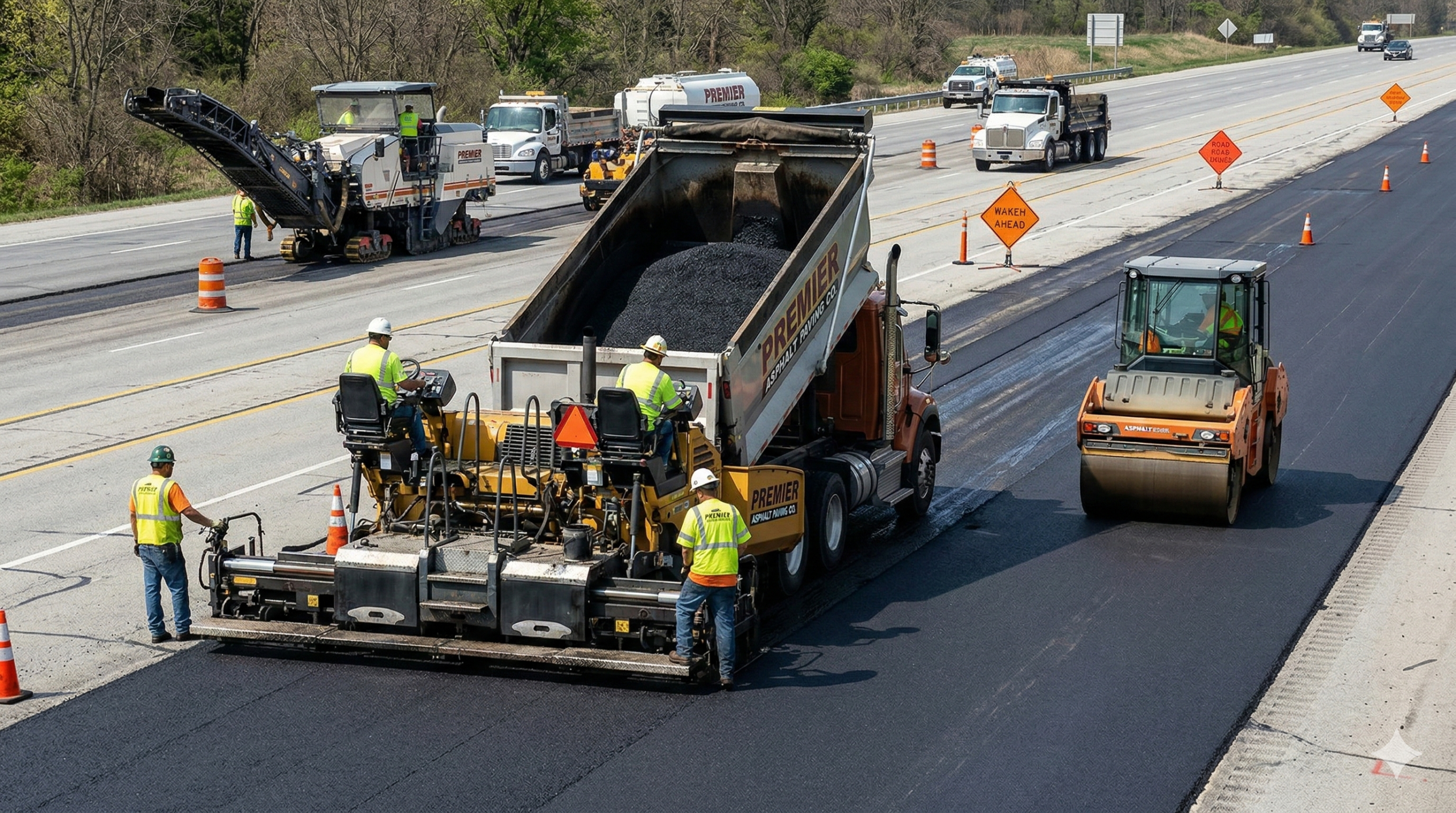
Most folks around Kittanning ask the same thing after a milling job wraps up: how many years before this needs doing again?
Fair question. One I’ve been answering since 1995.
The truthful answer isn’t a single number. It depends on stuff specific to Armstrong County, like how brutal our freeze and thaw stretches get, how water runs across the hills near the Allegheny, and whether the previous contractor actually did the prep work. I’ve seen driveways near Hillcrest hold strong for 22 years and downtown lots crumble in seven.
If you’re weighing whether milling’s worth the cost, this is what 30 years around here has taught me.
What’s a Realistic Lifespan for Properly Milled and Repaved Asphalt?
A properly milled and repaved surface in Kittanning usually holds up somewhere between 15 and 25 years for home driveways, and around 12 to 20 for commercial lots. Traffic, drainage, and prep work decide where you land on that scale.
The word doing all the work in that sentence is “properly.” When the bad layer comes off completely and the base underneath checks out, you’re basically starting fresh.
When it doesn’t? You’re paying for a band aid that looks great for about two winters.
Why Does Kittanning Weather Wear Down Asphalt So Fast?
Our weather is rough on asphalt mainly because of freeze and thaw cycles. Water sneaks into tiny cracks, freezes overnight, and pushes the pavement apart from the inside out. We see this happen 40 to 60 times every winter.
It plays out like clockwork around here:
- Fall rains push water down into surface cracks
- Temperatures drop, water expands roughly nine percent
- Sun comes out, ice melts, crack stays a little bigger
- Repeat all winter long
Properties along Route 422 catch extra damage from road salt and heavy trucks rolling through. That combo wears surfaces down faster than people expect.
Does Drainage Really Make That Big of a Difference?
Yes, and honestly, drainage matters more than most folks realize. It often outranks the quality of the asphalt itself. Standing water is what kills pavement around here, plain and simple.
Good milling restores the grades so water moves where it should, away from foundations, toward storm drains, off the surface. That’s especially important on Kittanning’s rolling lots, where a slight grade mistake can pool water against a wall or seep right into the base.
Same driveway with bad drainage? Maybe 7 to 10 years. With proper drainage? You can almost double it.
How Deep Should Asphalt Be Milled for the Best Results?
Most Kittanning projects need somewhere between 1.5 and 3 inches of milling depth. Too shallow leaves bad material in place. Too deep wastes your money without buying you extra years.
For most residential driveways, say something over in the Hillcrest area, we’re usually looking at 1.5 to 2 inches. Commercial lots downtown often need 2.5 or 3 because of heavier traffic and older base layers underneath.
This is one of those judgment calls where having a local contractor who’s actually seen what’s under the surface around here matters way more than chasing the cheapest bid. Numbers on paper don’t tell you what 30 years of digging up Kittanning driveways teaches you.
What Maintenance Actually Extends the Life of Your Pavement?
Sealcoating every 3 to 5 years and tackling small cracks before they spread are the two things that genuinely add years to your pavement. Both cost far less than premature replacement.
A reasonable rhythm looks something like this:
- Year 1: Wait at least six months before the first sealcoat so the asphalt cures properly
- Years 2–3: First sealcoat, fill any cracks you can see
- Year 5: Second sealcoat, check drainage hasn’t shifted
- Year 8 and beyond: Annual inspections, plan small repairs as needed
Skipping sealcoating in our climate is one of the fastest ways to cut a 20 year lifespan in half. UV from summer sun, salt from winter roads, both chew through unprotected asphalt quicker than most homeowners think possible.
When Does Your Kittanning Asphalt Need Replacing Instead of Repairing?
Once you’re seeing alligator cracking, surface raveling, deep ruts, or potholes that keep coming back after patches, you’re probably past the point of repair. Two or more of those signs together means your surface is winding down.
Other things I look for when property owners ask me for an honest assessment:
- Edges crumbling along the borders of driveways
- Water pooling in spots where it didn’t used to
- Patches separating from the original surface
- That faded, gravelly texture replacing what used to be smooth
When two or three of these show up together, planning ahead for professional milling and repaving costs a whole lot less than waiting for total failure.
Frequently Asked Questions
How soon can I drive on newly repaved asphalt in Kittanning?
Light vehicles can use it within 24 to 48 hours, but wait at least a week for heavy vehicles. Hold off on sealcoating for 30 days.
Is milling actually cheaper than full replacement?
Yes. Milling and overlaying typically runs 30 to 50 percent less than full removal because the existing base stays in place, saving on both labor and materials.
Can milling be done in winter around Armstrong County?
The milling part, yes. But repaving needs temperatures above 50 degrees for proper compaction, so most local projects happen April through October.
Does sealcoating really make milled asphalt last longer?
Absolutely. Regular sealcoating adds roughly 7 to 10 years by blocking UV damage, water, and salt from breaking down the surface.
What’s the best time of year to schedule milling in Kittanning?
Late spring through early fall is ideal. This window gives the new surface plenty of curing time before winter starts stressing it.
Thinking About Your Next Project?
If you’re trying to figure out whether your property needs milling now or you can squeeze another year out of what’s there, the smart move is getting a local set of eyes on it before another winter does more damage.
Townsend & Skursky Paving has been working with Armstrong County property owners since 1995. Call us at (724) 919-4359 for a free walk through. We’ll tell you what we actually see, not what gets us the biggest job. That’s how we’ve stayed busy for three decades around here.